Crypto app security matters because digital asset actions can have serious consequences. A weak password, a fake support message, a copied address mistake or an unsafe recovery phrase can create problems that may be difficult or impossible to reverse. A crypto app can provide security tools, but the user must also understand how to use them. The safest experience combines strong app design with careful personal habits.
Many people think security begins and ends with a login screen. In reality, crypto security includes the entire journey: creating an account, protecting a device, storing recovery information, enabling authentication, reviewing transactions, avoiding phishing, checking wallet addresses and responding to alerts. A good app supports these steps with clear warnings and simple controls. A good user routine follows them consistently.
Account Protection
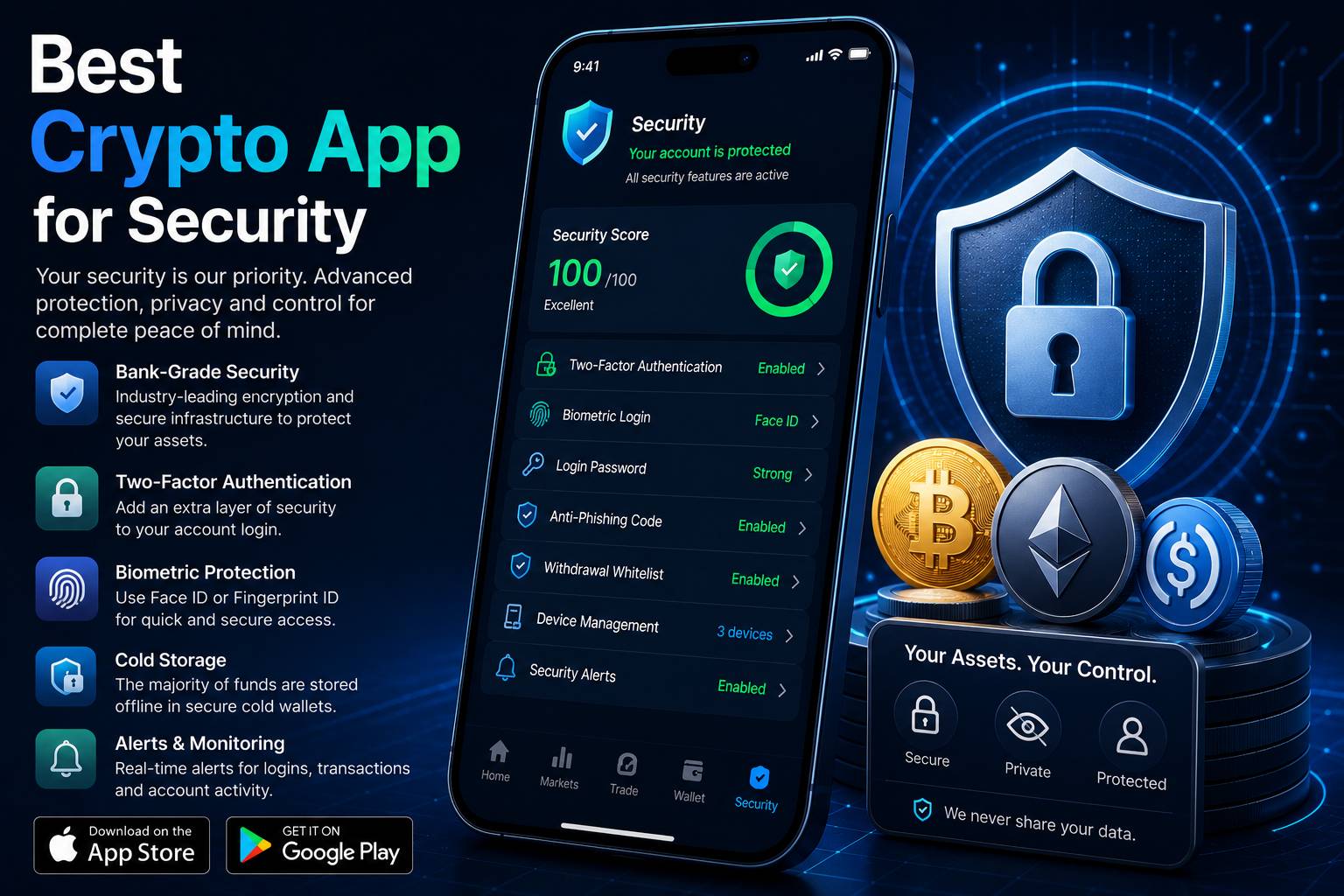
Account protection begins with strong login habits. Users should avoid weak passwords, reused passwords and passwords stored in unsafe places. If the app supports passkeys, authenticator apps, biometric access or two-factor authentication, users should learn how those options work. Two-factor authentication can add an important layer of protection, but it should be set up carefully. Users should also protect the email account connected to the crypto app because email access can sometimes be used during account recovery.
Device management is another important account feature. A crypto app may allow users to view devices that have logged in, remove old devices or receive alerts when a new device is added. These tools help users notice suspicious activity. If an app sends a login alert, the user should read it carefully instead of ignoring it as a normal notification. Security alerts should be treated differently from market updates.
Two-Factor Authentication
Two-factor authentication is one of the most common security tools in crypto apps. It usually requires the user to provide a second form of verification in addition to a password. This may come from an authenticator app, a hardware key, a passkey or another approved method. The goal is to make account access harder for someone who only knows the password.
Users should understand that not all methods are equal. Some methods may be more secure than others. SMS-based verification can be convenient, but phone numbers may be vulnerable to SIM-related attacks or account takeover attempts. Authenticator apps and hardware security keys are often preferred by users who want stronger protection. The app should explain available options clearly so users can make informed decisions.
Wallet Recovery Safety
Wallet recovery is one of the most sensitive areas of crypto security. In non-custodial wallets, a recovery phrase may be the only way to regain access. If another person gets that phrase, they may be able to control the wallet. If the user loses it, the wallet may become inaccessible. This is why recovery information should never be treated like an ordinary password or casual note.
Recovery phrases should not be saved in screenshots, cloud notes, email drafts, chat messages or shared documents. Users should never type a recovery phrase into an unknown website or send it to anyone claiming to be support. Real support teams should not need a recovery phrase. A good crypto app should warn users about this clearly during wallet setup and whenever recovery information is displayed.
Phishing Awareness
Phishing is one of the most common threats for crypto users. A phishing attempt may appear as an email, text message, search result, social media account, fake app, fake support page or copied website. The goal is usually to trick the user into revealing login details, recovery information or approval permissions. Some phishing pages look very professional, which is why users should not rely only on appearance.
Users should be careful with links, especially during moments of urgency. Fake messages often claim that an account is locked, a withdrawal is pending, a reward is available or immediate action is required. The user should open the app or website directly rather than clicking unknown links. If the app offers anti-phishing codes or verified communication settings, users should enable and understand them.
Transaction Review
Transaction review is a major part of crypto safety. Before sending assets, users should check the asset, network, destination address, amount and fee. If a memo, tag or additional destination detail is required, it should be reviewed carefully. A good app makes this information visible before confirmation. It should not hide important details behind small text or confusing screens.
Users should also be careful when copying and pasting addresses. Malware, fake clipboard tools or simple human error can cause address mistakes. It is a good habit to compare the beginning and ending characters of an address before confirming a transfer. For large transfers, some users prefer sending a small test transaction first. A good app should support careful review rather than rushed movement.
Device Safety
A crypto app is only as safe as the device it runs on. Phones may contain sensitive information, email accounts, authentication apps, cloud backups and personal messages. Users should protect their devices with strong unlock methods, keep software updated and avoid installing unknown apps. Public Wi-Fi, shared devices and unsafe browser downloads can increase risk. Device safety is part of crypto security because the app does not live in isolation.
Users should also be cautious with screen recording, screenshots and notification previews. A balance screen, wallet address, recovery message or transaction alert may reveal more information than expected. If a phone is shared, repaired or sold, users should make sure sensitive crypto app access is removed. Security is not only about hackers. It is also about everyday exposure.
Withdrawal Controls and Address Whitelists
Some crypto apps provide withdrawal controls, address books or address whitelists. These tools can help reduce the risk of sending funds to unknown addresses. An address whitelist may allow withdrawals only to approved addresses. This can be useful, but users should understand how it works. Adding or changing an address may create a waiting period. That delay can feel inconvenient, but it may protect the account if someone gains access.
Withdrawal alerts are also useful. A user should know when a withdrawal is requested, approved, delayed or completed. The app should make these alerts visible and meaningful. If users receive a withdrawal alert they do not recognize, they should act quickly by securing the account through official channels. A strong app makes suspicious activity easier to notice.
Security Habits for Daily Use
Daily habits matter. Users should log out of devices they no longer use, review account activity, update apps from official sources and keep recovery information offline. They should avoid responding to strangers who offer help with wallet issues. They should not install unknown browser extensions or approve permissions without understanding them. Small habits can prevent large problems.
It is also useful to separate different activities. A daily-use wallet may not need to hold the same amount as a long-term storage wallet. A trading account may not need the same settings as a cold storage setup. Users should think about what each app or wallet is for. Clear separation can make risk easier to manage.
Security Is an Ongoing Process
Crypto security is never finished. Threats change, apps update, devices change and user habits evolve. A setting that was safe once may need to be reviewed later. Users should periodically check authentication settings, device lists, withdrawal controls, recovery storage and alert preferences. A calm review every now and then is better than waiting until something goes wrong.
The best security experience combines clear app controls with patient user behavior. Users should not feel rushed during important actions. They should read warning messages, check transaction details and protect account access. For a broader view of how security fits with wallets, trading and mobile crypto tools, visit Best Crypto App.